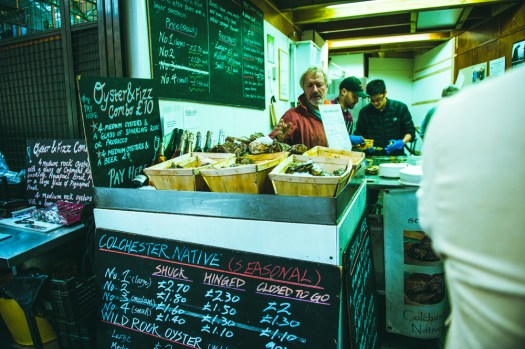
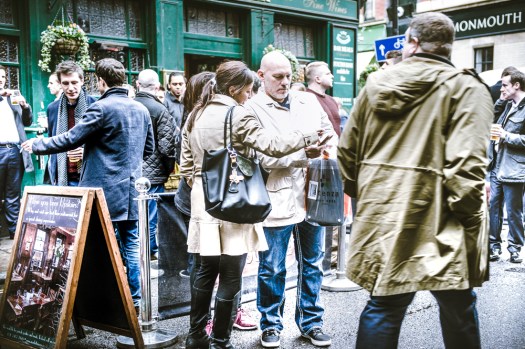
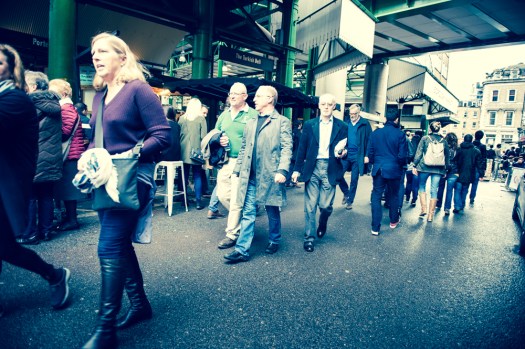
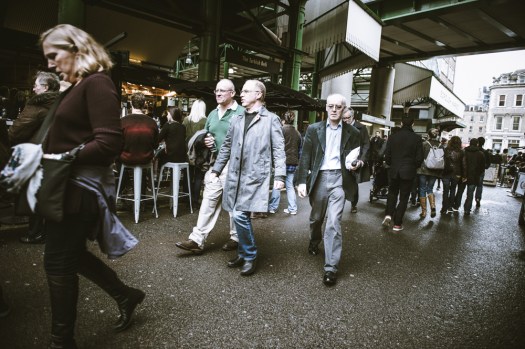
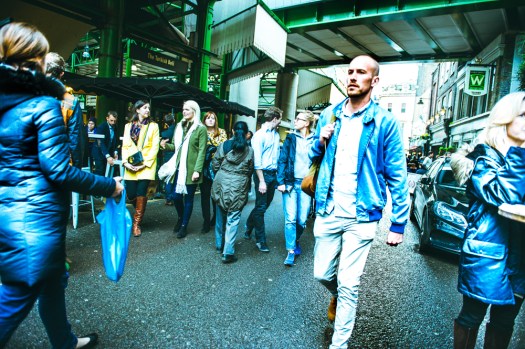
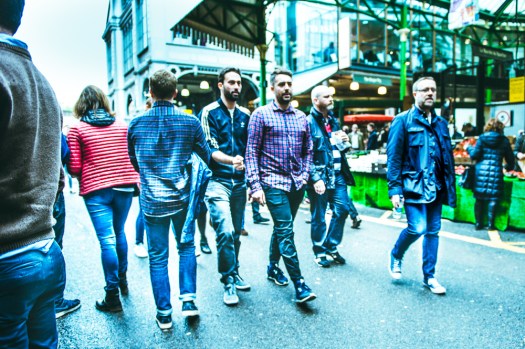
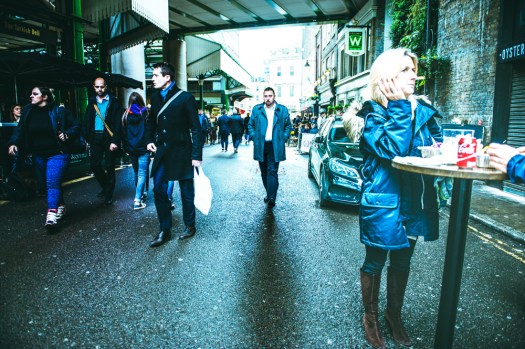
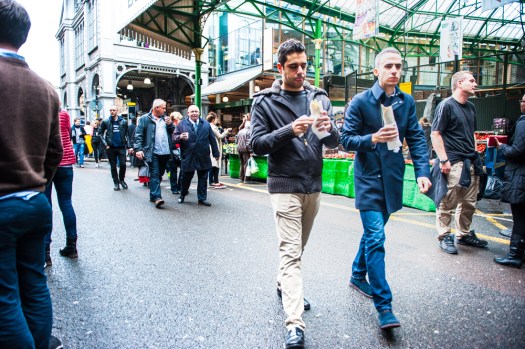
Here’s photos of Borough Market, London.




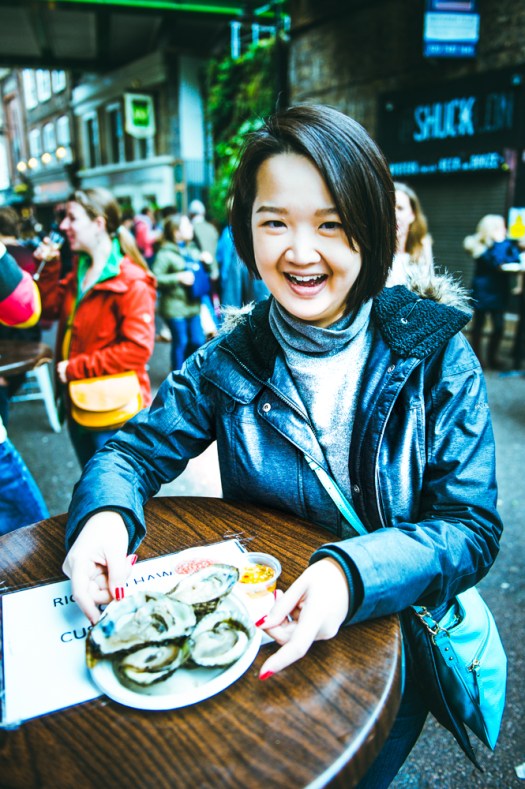



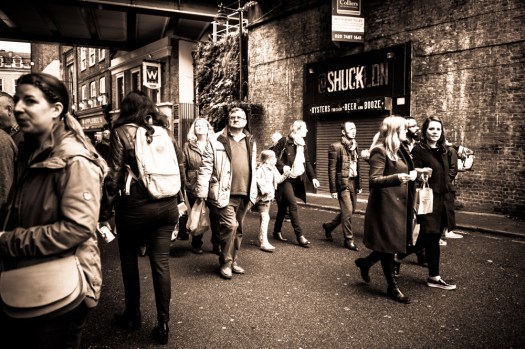

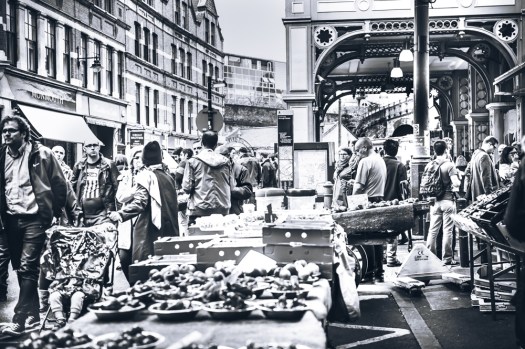

- Borough Market caters to everyone’s needs and people come from all over the world to visit this famous landmark.










Singapore Mathematics Tuition Centre
The Math Tutor for Small Group Tuition for PSLE, GCE O level IGCSE IB Diploma IP Programme Additional Maths for Primary and Secondary Levels. Top Singapore Tutor with two decades in education.

Here’s photos of Borough Market, London.
English Language tuition in Singapore has gone a long way since our independence and this can be attributed to three main components of increased business opportunity, parent’s desire for their children to be job competitive and the government’s push to be glocal.
Thinking glocal is how we can be successful in a nation that takes pride in being the centre of the world. We are the avenues between the East and West, and our geopolitically advantageous positioning has put our small island onto centre stage of the international market by providing professional, competitive, stylish and efficient flow of air/sea traffic, a robust financial market, plus a hardworking and talented workforce that has adopted the English Language as their lingua franca.
The English Language, with 1 500 million speakers, of whom only 375 million are native (statistica.com), are the highest adopted language in the world. This is seconded by Chinese Language with 1 100 million speakers but are predominantly native speakers of 982 million. With the rest of the languages tailing far behind these two.
The dominance of these two languages means that commanding a mastery in either of the language lets you talk to 1 in every 5 or 6 persons living on earth. In Singapore, the Chinese population that learns Chinese as their second language (and English as a First Language) in school drives these statistics to 1 in every 2.7 person on earth. And that is a lot of people that bilingual English/Chinese speaking Singaporeans can converse with. Coverage is key to a successful business plan and if a business entity can serve a wider network, that unhinges latent opportunities and make connections with markets that would have been otherwise foregone.
This is an advantage that keeps us relevant. The ability to communicate with almost half of the world means we can do business with any country, help anyone in times of need, but more importantly, be a friend with everybody. It is where we become truly global, not only by going out and making friends, but to be a welcoming host and the world comes to you.
Inculcating English into Singaporeans started with our education systems 50 years ago. Compulsory English examination passes to advance, with every subject in school taught in English (minus ethnic languages) means mastery would be advantageous in learning fast and an ability to grasp complex technical concepts. That universities are lectured in English as well, attainment of a degree, a professional career and ultimately, survival, hinges on the proficiency of English.
But that is a 20th century strategy: language assimilation.
Latest generations of 21st century English-speaking Singaporeans pass on their English to their children as if the equivalent, a native speaker. English-educated Singaporeans now speak, read, write English as their first language and their children don’t need to learn “A” for Apples in Primary 1 like 40 years ago.
Our children is born into an English speaking household and vernacular to English. We have evolved and our children have become as native an English user as any other.
Our diverse ethnicity and international positioning keeps English relevant to our lives. Over generations, the English Languge has proven to be a viable marriage into our culture, keeping our traditions whilst adopting Western cultures and views that helps rather than deter. The ability to communicate with most of the world keeps us competitive and economically viable.
“The Limits of my language is The Limits of my World”-Ludwig Wittgenstein
It makes us globally active, engaging, dynamic and yet keeps us intimately connected with our immediate neighbors. Making friends where it would have been near impossible in our multi-cultural nation. Thinking glocal helps when our nation support such diverse ethnic groups where finding a common language would mean learning 4-5 languages just to talk to our neighbours. English breaks down barriers and carries our thoughts. To understand, first, we need to convey in a common language.
So where next for English in Singapore? We will continue evolving. Our primary education system for English Language just got tweaked this year after 4 years of research into what we need to improve in our education. There is a push to change from the government sector to include creative aspects into our system.
There is also a sudden increase in international awareness that Singapore is a global city, thanks to Marina Bay Sands and the yearly Formula 1 events. One can’t be hospitable unless one communicates and understands hospitality.
And what about English as an art form? Literature, poetry and sonnets. It is the existence of English as an art form, for the sake of art itself and nothing else that a society starts to fully appreciate the English Language. Appreciate the emotional powers and its beauty instead of just English being a tool of commerce or conversation. Appreciate that culturally, attainment of English as art means that we perhaps have arrived rather than be bystanders looking into a prestigious country club.
Thinking glocal helps when our nations’ resources is human resource. Keeping a common framework of English provides the bridge to our conversations and a strong spine to support our communication infrastructure. It is our bread, butter, main course, wine and sweet pastries. It provides for everything, and then some.
Primary PSLE Results SEAB Syllabus MOE English, Math, Science Tuition specific to Poi Ching School Primary Syllabus. We take pride as fine educators, wise mentors, supporting motivators and creative innovators with your child’s development turning them into top students, focussed and worldly-wise.
Referrals and recommendations from our loyal clients abound with majority of eduKate Tampines students coming from Poi Ching School.

We also locate our tuition centre close to Poi Ching School so that your child has easy access to our top tutors from alma mater colleges RJC, ACJC, SMU, NTU. We are 50m away and takes 5 mins to walk over from Poi Ching.
We are a group of university graduate tutors with expert knowledge in the current MOE syllabus. We teach to understand everything according to the syllabus and then move onto solving challenging sums that students will encounter in their exams.
Our classes are conducted in a fully air-conditioned environment with the average tutor/student ratio of 1:5.
Our schedule in eduKate Tampines Tuition Centre caters specifically to Poi Ching’s school timetables and CCA’s. All new students will not have problems getting a suitable time slot in our class. One less headache for students and parents to attend our lessons.
Give us a call to set up a tour around our centre and know more about our unique tuition programmes. Our quality programmes are developed to encapsulate a holistic development of your child’s psyche and let students gain confidence, enthusiastic in learning new things, become gracious and sociable.


Our eduKate Tuition Centre “Team Building and Empowerment” programme for PSLE Primary students:


Call us to join the most progressive tuition centre in Tampines:

More news on university ranking in Singapore for today as Singapore falls to 15th place according to this article from straitstimes.com with an extract of it below:
by Amelia Teng
“SINGAPORE – Singapore has fallen 12 spots to 15th place in a ranking of the world’s best cities for university students.
Last year the London-based educational consultancy Quacuarelli Symonds (QS) ranked the Republic third in the world and the best in Asia.
However when it released this year’s table this morning it had plummeted, which QS said was due to adjustments made to some factors.
Cities were given scores across five categories for 18 measures, including four new ones that looked at their level of pollution, safety, transparency and tolerance.
Existing indicators included affordability and employability
Wong Kin Leong
eduKate
Tuition Tampines
Tuition Punggol
this is from an article published by Straits Times…
“Remember the days when one B and two Cs would get a student into the arts and social sciences faculty of the National University of Singapore?
Not any more.
This year, A-level holders needed at least an A and two Bs, despite the faculty taking in the largest number of students at the university – 1,700 in all.
Two years ago, the minimum grade needed was three Bs.”
– See more at: http://www.straitstimes.com/news/singapore/education/story/better-scores-now-needed-nus-arts-faculty-20141125#sthash.zw8nv1jr.dpuf
Time are a changing
As expected, the shifts in education in a competitive Singapore are turning its wheels and grinding its gears. There’s no stone left untouched and in time to come, grades needed to enter NUS will only climb higher and its 22nd TOP UNIVERSITY TOP RANKINGS don’t help the matter much. We are an open education system and we have international students vying seats together with our students, and most people will think this is a bad thing but its more of fear that their children does not get a seat. However, this is not true as an open education system allows healthy interaction with the top students around the world, something Singapore needs to achieve a successful international trade programme.
So what does that mean to Singaporean Students?
As we climb higher up the world rankings, our education system becomes more attractive to foreigners and in our open education system, it attracts the best students and we in turn, will interact with the best in the world. That is a good thing. Competition creates excellence. And to vie for a seat in NUS will mean the cream of the crop of Singapore will be competing with the cream of the crop of the world. And that is our bread and butter. We survive because we have to be the best. To be the best, we need to compete with the best. Having a 22nd world ranking university, Singapore’s education system is at a better place right now than the last century and our students will enjoy all this excellent education infrastructure.
Top Education at our doorstep.
Just 20-30 years ago, we had to fly overseas to go to a properly good university with a properly good world ranking. We don’t need to anymore with NUS ranked at 22 at our backyard. I forgot to mention, NTU is at a not so far 39th for 2014.
That is an achievement that we should be proud of. I can only imagine the brains, the work and the funds needed to build two World Top50 University in Singapore. So this brings us to what is next? For a country where our natural resource is human resource, education and training lies high up the ladder for our future survival. But I foresee ourselves in safe hands with world class universities as part of our portfolio, but only if we have the system to create and nurture world class students to be able to qualify for these universities that we will reap the rewards, or else all those seats will be snapped up by the best of the rest of the world. Hardwork, proper training, and determination to be the best shall be dogma.
Sonnet 123 No, Time, thou shalt not boast that I do change
No, Time, thou shalt not boast that I do change:
Thy pyramids built up with newer might
To me are nothing novel, nothing strange;
They are but dressings of a former sight.
Our dates are brief, and therefore we admire
What thou dost foist upon us that is old,
And rather make them born to our desire
Than think that we before have heard them told.
Thy registers and thee I both defy,
Not wondering at the present nor the past,
For thy records and what we see doth lie,
Made more or less by thy continual haste.
This I do vow and this shall ever be;
I will be true, despite thy scythe and thee.
-Shakespeare
by Wong Kin Leong, eduKate
Tuition Tampines
Tuition Punggol
10) Brad Pitt-University of Missouri-Journalism

9) Jake Gyllenhaal-Columbia University-Eastern Religion and Philosophy

8) Ashley Judd-University of Kentucky-French

7) Matthew McConaughey-University of Texas, Austin-Pre-Law

6) George Clooney-University of Kentucky-Journalism

5) Mayim Bialik-University of California-Neuroscience
4) Will Ferrell-University of Southern California-Sports Information
3) Ken Jeong-Duke University-Pre-Med
2) Cate Blanchett-Melbourne University-Economics and Fine Arts
1) Rowan Atkinson-Newcastle University-Electrical Engineering
by Wong Kin Leong
eduKate SG
Tampines, Pinevale.
10) Botanical Gardens Orchid Gardens Students Special
Singapore Botanical Gardens organizes a programme for students, a holiday special with Orchids as their main theme.
extract from their website:
Description:
Did you know that orchids are one of the largest and most diverse families of flowering plants in the world?
From 8 to 23 November 2014, we are extending free admission to National Orchid Garden to students and accompanying adults.
Opening hours: 8.30am to 7.00pm daily (last admission is at 6.00pm).
Free admission criteria
1. Children 12 years old and below
2. Students are required to present valid student cards
3. Adults accompanying children and/or students
9) Marina Bay Sands Skypark Observation Deck
See Singapore from another point of view, its all about perspective. Your kids will love the views from the top of Singapore’s famous landmark.
extract from their website:
Prices:
S$23 for adults
S$17 for children (aged between 2 – 12 years*)
S$20 for senior citizens (aged 65 years and above)
Children under 2 years may enter for free.
Where to buy:
Ticketing Hotline: +65 6688 8826
Marina Bay Sands Box Offices
for the visit
4. Not applicable to tour groups and tickets purchased in advance
This is a fairly hidden gem in Singapore’s local highlights but its a truly brilliant gem indeed. Three shophouses at Pagoda Street recreates our Singapore history in complete historical settings. How our forefathers lived and eat is faithfully recreated in this beautiful building. Your kids will learn how Singapore started and its rich cultural history, and there’s even a kopitiam in the building when you get hungry or thirsty.
7) Haji Lane
Food? Check. Culture? Check. Shopping? Check. Art? Check. Haji Lane is a smörgåsbord of all things new and old, chic and traditional, young and elderly. It is the cross junction of our past, present and future. There’s lots of things to do for everyone and with Orchard and Marina Bay area a stone’s throw away, Haji Lane has established itself as a fringe community with a strong-willed resolve to show the world that there’s more to do in Singapore than eating, banking, shopping, shipping, flying and going to the movies. Walk into its varied food joints to taste local food, or run into its many beautiful arty cafe’s. Or just walk around and soak in the art installations by the side of the buildings. Shopping is a good idea too, with plenty to offer along the shophouses.
6) Dempsey Hill
My army camp was located here before it revamped itself into Dempsey Hill, the placed to go when you want to get away from the city and cosy up to some beautiful restaurants and shops. Its old world charm redefined for the present. My favourite cafe there will definitely be” jones the grocer”. And its not even exactly a cafe as they sell grocery and speciality food items.
To be Continued… wait for the next installment where we reveal the top 5. Hang in there.
by Wong Kin Leong
edukateSG
Pinevale, Tampines St 73
Herein lies important dates for Singapore schools and our operating schedules for 2015. Parents take note that eduKate SG operates on all days except public holidays stated in SECTION 3.2
(all information are subject to changes from MOE and is only intended to be used as a rough guideline. dated 4th Nov 2014)
extract from MOE website:
1.0) The school year for 2015 for all MOE primary and secondary schools will start from Friday, 2 January and end on Friday, 20 November 2015. This takes into account 40 weeks of curriculum time for teaching and learning before the start of the national examinations, and six weeks of school vacation at end of year for teachers and students.
| PRIMARY & SECONDARY | |
|---|---|
| Semester I | |
| Term I | Fri 2 Jan – Fri 13 Mar |
| Term II | Mon 23 Mar to Fri 29 May |
| Semester II | |
| Term III | Mon 29 Jun to Fri 4 Sep |
| Term IV | Mon 14 Sep to Fri 20 Nov |
| JUNIOR COLLEGE (JC) Year 1 & Millennia Institute (MI) Year 1 | MI Year 2 | JC Year 2 & MI Year 3 | ||
|---|---|---|---|---|
| Semester I | ||||
| Term I | Mon 2 Feb – Fri 13 Mar | Mon 5 Jan – Fri 13 Mar | ||
| Term II | Mon 23 Mar to Fri 29 May | |||
| Semester II | ||||
| Term III | Mon 29 Jun to Fri 4 Sep | |||
| Term IV | Mon 14 Sep to Fri 20 Nov | Mon 14 Sep to end of ‘A’-level exams | ||
2.0) The four vacation periods for schools, junior colleges and centralised institute for 2015 will be as follows:
| PRI & SEC | |
|---|---|
| Between Terms I & II | Sat 14 Mar – Sun 22 Mar |
| Between Semesters I & II | Sat 30 May – Sun 28 Jun |
| Between Terms III & IV | Sat 5 Sep – Sun 13 Sep |
| At End of School Year | Sat 21 Nov – Thu 31 Dec |
| JC Year 1, MI Year 1 & MI Year 2 |
JC Year 2 & MI Year 3 |
|
|---|---|---|
| Between Terms I & II | Sat 14 Mar – Sun 22 Mar | |
| Between Semesters I & II | Sat 30 May – Sun 28 Jun | |
| Between Terms III & IV | Sat 5 Sep – Sun 13 Sep | |
| At End of School Year | Sat 21 Nov – Thu 31 Dec | End of ‘A’ Level exams – Thu 31 Dec |
3.0) The scheduled school holidays and public holidays for 2015 will be as follows:
| Youth Day | Sun 5 Jul (The following Monday, 6 Jul 2015 will be a scheduled school holiday) |
|---|---|
| Teachers’ Day | Fri 4 Sept |
| Children’s Day for primary schools and primary sections of full schools only) |
Fri 9 Oct |
| Term I | New Year’s Day | Thu 1 Jan |
|---|---|---|
| Chinese New Year | Thu 19 Feb | |
| Fri 20 Feb | ||
| Term II | Good Friday | Fri 3 Apr |
| Labour Day | Fri 1 May | |
| Vesak Day | Mon 1 Jun | |
| Term III | Hari Raya Puasa | Fri 17 Jul |
| National Day | *Sun 9 Aug | |
| Term IV | Hari Raya Haji | Thu 24 Sep |
| Deepavali | **Tue 10 Nov | |
| Christmas Day | Fri 25 Dec | |
| *The next day, Mon 10 Aug 2015, will be a public holiday. **Tentatively, Deepavali will fall on 10 November in 2015. This date will need to be reconfirmed against the Hindu Almanac when it is available. Should there be a change in date, the Ministry of Manpower will issue a media release to announce the change accordingly. |
||
4) The school terms and holidays for 2015 is available on the MOE’s website atwww.moe.gov.sg/schools/terms-and-holidays/2015/
prepared by Wong Kin Leong
edukate SG
Tampines St 73
Singapore
Its the time of the year, 2 months to go for PSLE or GCE O’ Levels and the panic buttons are being pushed. Here’s a crash course and survival guide:
Make space
Clear out the junk on your table and make your room conducive for studying. This shall be your goto place for study and make sure it is bright and peaceful. A clear table stops any distraction as well. No TV, games, computers, handphones. Just you and your work.
The 5 P’s
Proper Planning Prevents Poor Performance. Write out all the topics that needs to be revised. Calculate how much time that needs. Add in hours to be spent on revision papers and past year exam papers . Divide that by how many weeks more to exams and that is how much time you need to study a day, at the very least. Which leads us to the need for a time table.
Have a timetable
Set up a time table and schedule every minute. Time management is important in making sure all the topics are covered. Do put in little breathers as all work as no play makes Jack/Jane a dull person.
Start with revising topics
Revise topics from the easiest to the hardest. This helps in covering lots of easy topics fast and as confidence grows, work up to the harder stuff.
Get Help
Have a really solid tutor that you can count on. (Contact Us) Generally someone who knows enough of your syllabus that you can get help fast and download as much information to you in the shortest time possible. There will be times when you are revising and there’s some questions where you will hit the wall. Mark those down and ask. This will boost your confidence.

Get those past year papers
Once done with revision, time to hit those past year exam papers. If you have a hard time looking for it, send us an email and we can help you out in obtaining them.

Sleep your 9 hours worth
Research has proven that peak performance occurs for individuals that clocks in 9 hours of sleep consistently. Your brain will thank you for it.
Study hard now, slow down when it gets nearer to exams
That’s stress management. Plan to cover more at the beginning and slower in the end. As the exam nears, we need to spend lesser on studying and more time organising our memory palace. Making sure everything is at your fingertips when you need it and cooling down to make sure your brains can handle the stress when the exam starts.
The calm before the storm
It is best to spend time prepping for the big day. Both mentally and physically. Run through how you will do your papers in your mind. Eat healthy food, on time and drink lots of water. Staying healthy is key to peak performance. Exercise too but not anything that will break bones and end in a trip to hospital. Staying sharp and well rested will keep any sickness at bay.

Stay happy and optimistic
Its also important to stay happy. So whenever you feel things turning dark, slow down and take a breather. Go hang out with friends and family. Do remember its just an exams and its never the end of the world. If you planned it right and did your best, chances are, you’ll be doing alright.
Synching your body to the exam time tables
Your body is a creature of habit. Wake up and sleep at the same time every day. This includes the weekends. Study at the same time as the exam time table. Sit down for the whole duration of an exam, approximately 2 hours, and do not make any toilet trips during that time. Eat at the same time too as you do not want to get hungry or thirsty during exams. Get your body accustomed to handle the stresses of an exam. Don’t change this until the exams are over. This will lessen distractions and help you in concentrating fully on the exams.
Equipment checklist
Have a checklist of what you need for the exams. Different papers requires different equipment so make sure to bring it along with respect to the paper at hand. Don’t forget your identification papers too. Buy spares and have all your equipment checked for proper working conditions. I always advise students to have duplicates of all their stationery. Better to have more than less or risk repeating another year to retake the exams. Generally speaking, pens are never enough in an exams, and two calculators just in case one gives up mid way.

The Storm
Listen to everything the examiner says and only start when they say so. Don’t worry about what happens around you and just worry about your own paper. That’s your own paper and that is the most important task to you right there and then. Do it at a good pace and never worry if someone else are done earlier than you. Once you have completed, make sure that all pages are attempted, your name/identification number is on the paper, and check your work until time is up. You are given a set time for the paper and not a single second should be wasted so make sure you squeeze every mark out of that paper.
Home Sweet Home
Once the paper is done, get back home and do not discuss the exam questions with your friends. That’s just counter productive and could demoralise you if you find out that there is things that you got wrong. Crying over spilt milk won’t help you or get you a better grade once the paper is handed in. Besides, you will never see that paper again in your life so forget and look forward to the next exam. You are better off wisely spending that time winding down, resetting and start preparing for the next paper.
Keeping yourself optimistic, healthy and happy is a key to achieving a great result.

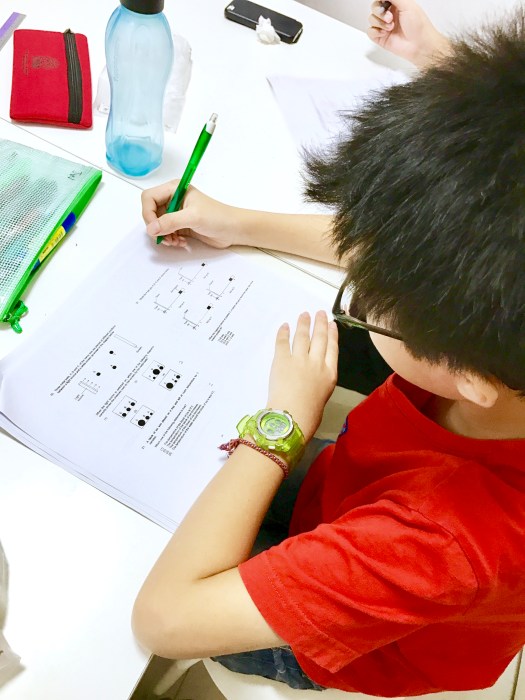
Discipline, the main ingredient to success. Sprinkle with concentration, a dash of determination and double boil with patience. That’s the making of a properly executed education. In every education system around the world, the recipe above are quality prerequisites because students spends years in school before gaining their certification and joining the workforce. The need to have the discipline to stay on course, and the patience to knock in the hours (or in fact the years before they reach university and graduate) are what causes only a small percentage of students that can reach their goal of obtaining their degree. Even though over the years, this percentage has grown in Singapore, it still takes a lot of effort and consistency to win this studying game.
So what separates the wheat from the chaff?
Take the recent GCE “O” level results and ask the successful candidates what they did in preparation for their examinations and you will get the common reply of countless studying hours, sitting themselves down by their quarters. That takes discipline, and a matured mind. Its the ability to do more than just the ordinary, the discernment that the future grows brighter with a better education, and to find the energy locked within to do that extra mile. Again, this takes discipline. They could have been out playing, watching a movie, hanging out with friends or god forbid, playing computer games. Instead, they took the back-breaking path and stood firm in the face of distractions.
So how do we cultivate discipline and reap a successful harvest?
One of the most important ways to cultivate discipline is to complete tasks. And start when they are young. Tasks don’t have to be onerous, or even exacting as this will put the child off. It does not need to be annoying too, like taking out the trash or washing the dishes. It could be something fun, like games, or doing jigsaw puzzles, or even reading a book. The idea is to teach your child that whenever you set about a task, you should complete it. Think of what goes through the mind of someone running a marathon. Grueling, definitely. But add the sense of self accomplishment at the end of the race, and it all makes it worth it. That’s what we should help the child feel. That once you complete the task, no matter how arduous, the triumphant result outweighs its tribulation.
There are many times that children gives up too easily, and parents lets them do so. And, the parents completes it for them, or it just stops altogether. Its easy to see why this gives out all the wrong signals to the child. Inability to complete the job and see through the full cycle means that the child does not learn anything from that job. This could lead to pessimism that things cannot be done, laziness creeping in, and an unproven bout of self censure.
Its like baking a cake. Do up the dough, all the ingredients nicely folded in, let it rise, into the oven at 350, and out it comes. If you don’t try the cake yourself at the end, you will never know if you succeeded in baking a tasty cake, or it could be just a ho-hum piece of dough that you just created. Its the last steps that makes all the difference, self evaluation. When you are learning how to bake a cake, you have got to eat it too. Try it out, see if its any good, evaluate the outcome to see if its a success or failure, take notes on how it looks and tastes, and think of how the baking can be refined. Then set off and bake another cake, now improved, and that process gets repeated until you have a proud product that can win the hearts of many. (Nevermind if your kids complain of the copious amounts of cakes they have to eat before you get there) A healthy postmortem documentation of the process by oneself creates a greater self upon further refinement, an intimate knowledge of what has been done, and what else can be improved.
In every process of learning, there needs a leverage of self evaluation on the completed cycle. Students are taught by a teacher, learns it, understands it, practices sums of it, memorizes it and finally, gets tested on it. Something is missing from this formula. and that is “self evaluation”. For a good score in the final test, there is a need to self evaluate before being tested. To see if all the fundamentals of the class are properly digested. Much akin to the baking process, a baker who never tastes their own cakes, will never have a winning product. How can one sell something that doesn’t know how their products tastes? Its just silly. And that is what students must do too. To complete the cycle, a student must always evaluate themselves and improve themselves before they finally go for their finals. Making sure of this is imperative to a successful candidate. Knowing where went wrong, and correcting themselves gives them the confidence they need to attempt a major examination.
Again, that is where discipline comes into play. It takes discipline and determination for a child to sit down and study the needed hours but more if the child wants to complete every task and evaluate themselves to know if they are doing it right. Methodology, and creating an efficient learning program will help too in this case.
Generally, completing a task like a major examination takes years for the students and the daily grind of school could take the wind off of their sails by the time the examination approaches. There needs a steely determination and the discipline to keep themselves on track, with their heads up high and constantly be above of their curriculum to perform well. But if they complete their daily tasks consistently, eventually, they will complete their examinations with ease. Like a very popular Malay idiom, “sedikit, sedikit, lama lama menjadi bukit” (little by little, a long time later, makes it into a hill), doing well in their final examination is the culmination of all the small tasks that were completed earlier on in their studies. And sweet old Mr and Mrs Discipline gets you there.

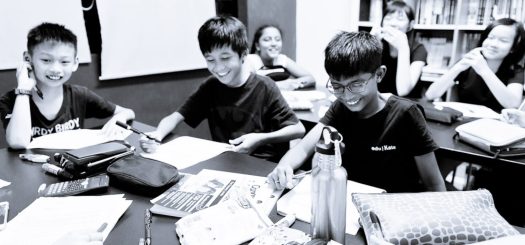

 Singapore Mathematics Tuition Centre