eduKate MOE SEAB PSLE English Language Materials- Top 100 Vocabulary List of Character Traits

English Tuition Singapore

Compiled by eduKate SG Tuition Centre Tampines and Punggol for Primary 4, Primary 5 and Primary 6 students, used on Character Traits in eduKate SG Creative Writing Programme for kids Vocabulary worksheets. Best used to describe intensive characters effectively for PSLE SEAB English composition and vocabulary in the new Syllabus 2015 format.

The following Top100 list has expanded to 255 words and keeps growing.

  1. Active
  2. Adaptable
  3. Adventurous
  4. Affable
  5. Affectionate
  6. Aggreeable
  7. Aggressive
  8. Ambitious
  9. Amicable
  10. Amusing
  11. Annoying
  12. Arrogant
  13. Articulate
  14. Athletic
  15. Awkward
  16. Boastful
  17. Bold
  18. Bossy
  19. Brave
  20. Brash
  21. Bright
  22. Bored
  23. Broad-minded
  24. Calm
  25. Careful
  26. Careless
  27. Caring
  28. Cautious
  29. Charming
  30. Chatty
  31. Cheerful
  32. Clean
  33. Clumsy
  34. Colorful
  35. Communicative
  36. Compassionate
  37. Complex
  38. Complete
  39. Conceited
  40. Confident
  41. Considerate
  42. Conscientious
  43. Cooperative
  44. Courageous
  45. Courteous
  46. Cowardly
  47. Creative
  48. Curious
  49. Dainty
  50. Daring
  51. Dark
  52. Decisive
  53. Defiant
  54. Delusional
  55. Demanding
  56. Determined
  57. Devastated
  58. Devout
  59. Disgruntled
  60. Discerning
  61. Diligent
  62. Diplomatic
  63. Discreet
  64. Dynamic
  65. Eager
  66. Easy-going
  67. Efficient
  68. Embarrassed
  69. Empathic
  70. Emotional
  71. Enjoyable
  72. Enthusiastic
  73. Energetic
  74. Excited
  75. Exuberant
  76. Fair
  77. Faithful
  78. Fanatical
  79. Fancy
  80. Fashionable
  81. Fearless
  82. Fighter
  83. Forceful
  84. Forgiving
  85. Frank
  86. Free spirited
  87. Friendly
  88. Frustrated
  89. Fun-loving
  90. Funny
  91. Generous
  92. Gentle
  93. Giving
  94. Gorgeous
  95. Good
  96. Gracious
  97. Gregarious
  98. Grumpy
  99. Grouchy
  100. Handsome
  101. Happy
  102. Hard-working
  103. Helpful
  104. Honest
  105. Hopeful
  106. Humble
  107. Humorous
  108. Idealist
  109. Imaginative
  110. Impartial
  111. Impulsive
  112. Independent
  113. Intelligent
  114. Intellectual
  115. Intuitive
  116. Inventive
  117. Jealous
  118. Joyful
  119. Judgmental
  120. Keen
  121. Kind
  122. Knowledgeable
  123. Lazy
  124. Leader
  125. Light-hearted
  126. Likeable
  127. Lively
  128. Lovable
  129. Loving
  130. Loyal
  131. Loud
  132. Lucky
  133. Manipulative
  134. Materialistic
  135. Mature
  136. Mean
  137. Melancholy
  138. Messy
  139. Mischievous
  140. Modest
  141. Moody
  142. Naïve
  143. Nasty
  144. Neat
  145. Nervous
  146. Nice
  147. Noisy
  148. Noble
  149. Obnoxious
  150. Opinionated
  151. Organized
  152. Outgoing
  153. Optimistic
  154. Passive
  155. Passionate
  156. Patient
  157. Patriotic
  158. Pessimistic
  159. Perfectionist
  160. Personable
  161. Persistent
  162. Pitiful
  163. Pioneering
  164. Philosophical
  165. Plain
  166. Placid
  167. Pleasant
  168. Pleasing
  169. Plucky
  170. Poor
  171. Polite
  172. Popular
  173. Powerful
  174. Practical
  175. Pretty
  176. Prim
  177. Pro-active
  178. Proper
  179. Proud
  180. Questionable
  181. Quick-witted
  182. Quicksilver
  183. Quiet
  184. Radical
  185. Rational
  186. Realistic
  187. Rebellious
  188. Reflective
  189. Relaxed
  190. Reliable
  191. Religious
  192. Reserved
  193. Respectful
  194. Responsible
  195. Resourceful
  196. Reverent
  197. Rich
  198. Rigid
  199. Romantic
  200. Rude
  201. Sad
  202. Sarcastic
  203. Self-confident
  204. Self-conscious
  205. Self-disciplined
  206. Selfish
  207. Sensible
  208. Sensitive
  209. Serious
  210. Sharp
  211. Short
  212. Shy
  213. Silly
  214. Simple
  215. Simple-minded
  216. Sincere
  217. Smart
  218. Sociable
  219. Stable
  220. Straightforward
  221. Strong
  222. Stubborn
  223. Studious
  224. Stupid
  225. Successful
  226. Sympathetic
  227. Swift
  228. Tall
  229. Tantalizing
  230. Tender
  231. Tense
  232. Thoughtful
  233. Thrilling
  234. Tidy
  235. Timid
  236. Tireless
  237. Tolerant
  238. Tough
  239. Tricky
  240. Trickster
  241. Trusting
  242. Ugly
  243. Unassuming
  244. Understanding
  245. Unhappy
  246. Unique
  247. Unlucky
  248. Vain
  249. Versatile
  250. Warm
  251. Warm hearted
  252. Wild
  253. Willing
  254. Wise
  255. Witty
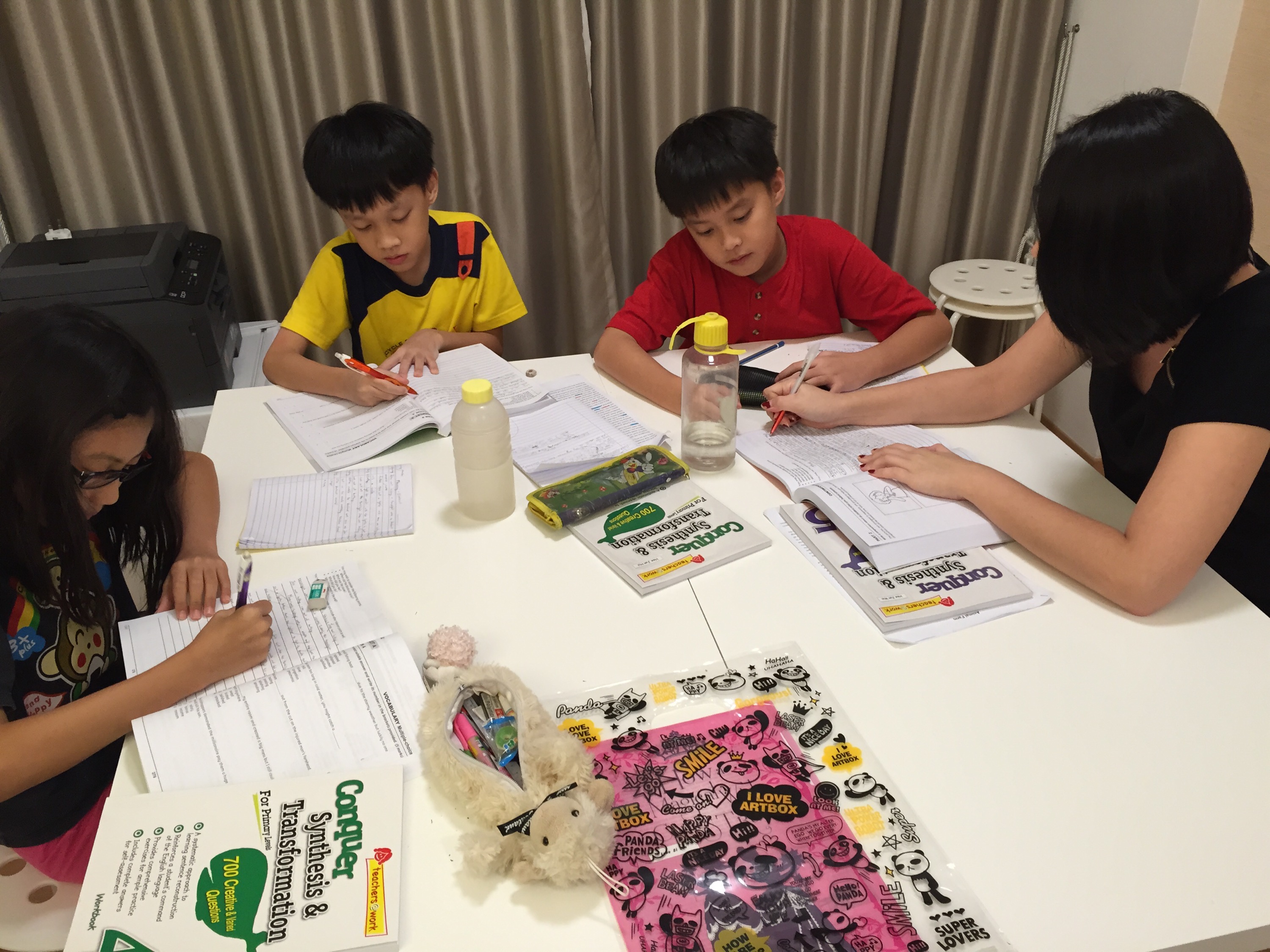
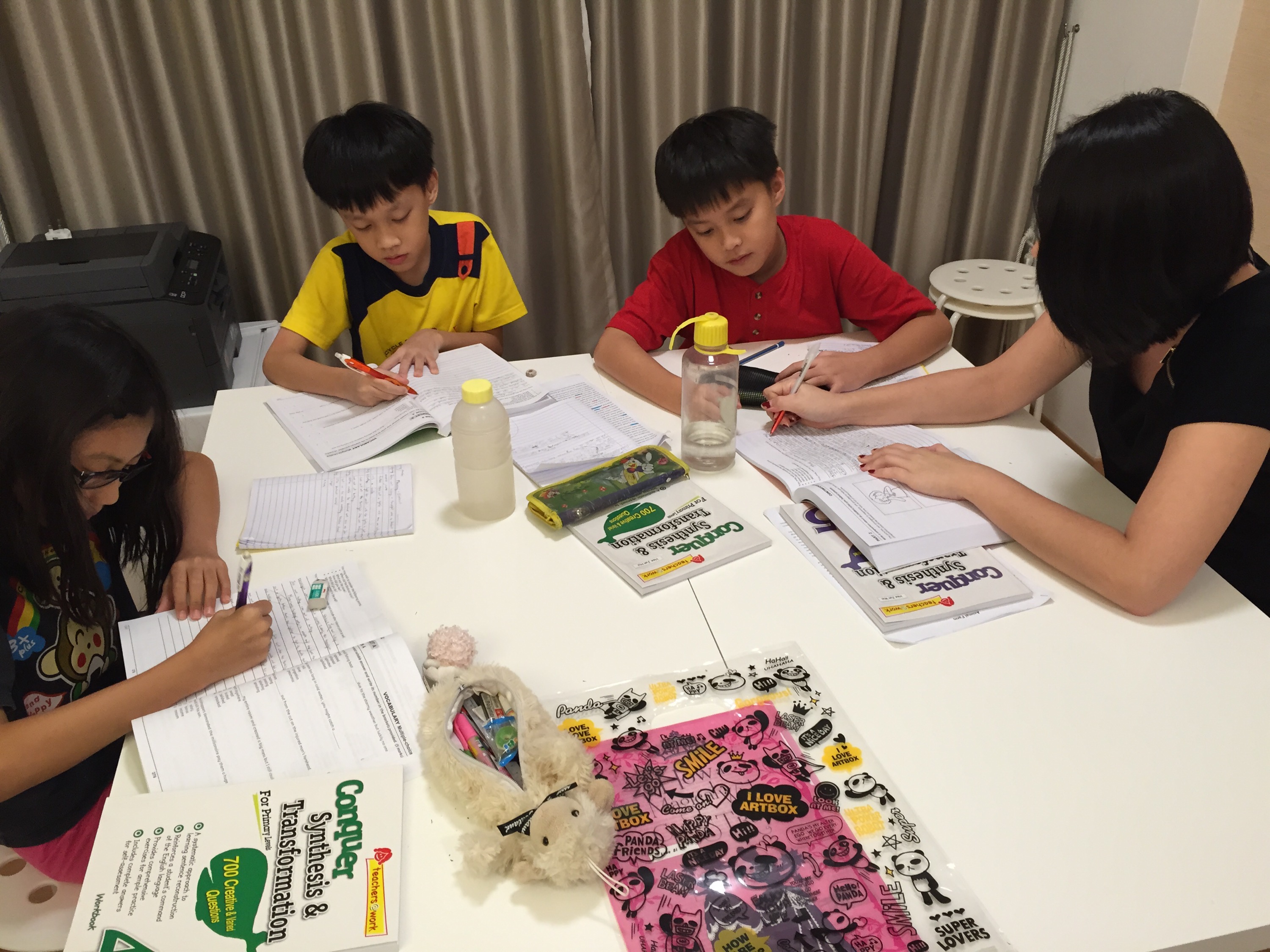
English Tuition eduKateSG Mee Toh Primary Students at Punggol Prive Condo

eduKate Singapore Tuition Centre: English Theme of the Month April 2015: Critical Thinking Skills

Dear Parents,

This month, we are teaching eduKate students Critical Thinking Skills. Students will be receiving their notes and shall cover the below modules:

  • What is critical thinking?
  • What are the components of learning?
  • What are the procedures to achieve critical thinking?
  • How to interpret and analyse data?
  • What do we need to avoid doing to achieve a balanced result?
  • Importance of critical thinking in our education.

Aims of this module: To create awareness in students attempting questions in their exams. Relevance of critical thinking skills to English shall be applied to composition writing and answering comprehension questions during the first two lessons.

Composition

Students are required to demonstrate reasoning in their compositions and develop a realistic approach to story telling. During the process of creating a story, students shall use the 3 pictures composition approach introduced in the new syllabus PSLE format. The students are required to gather and include effective implementation of tools from their creative writing classes. They also need to draw from their past experiences when fabricating their plot.

Comprehension

Students are required to demonstrate critical thinking skills of the following basic 6 questions: who, why, where, when, what and how when attempting to resolve questions in the new syllabus format PSLE questions. They are also required to critique and infer from the passage using the said skill.

For more information of this module, kindly email admin@edukatesg.com

eduKateSG Primary Students at Punggol

the 4 pillars of learning

So with the need in the 21st Century to be highly educated comes the need to provide an education that befits the dynamism of such an aim.

Society changes rapidly, with the industrial revolution going the way of the dinosaurs, the digital revolution maturing and now, the social revolution is upon us with Facebook, Twitter and forums gathering no moss with such an aggressive momentum onto our current lives. Everyone is a friend of someone now, and information travels around the globe faster than the blink of an eye.

Students are starting to mature in this age as well, incorporating digital elements early in life to be social individuals, exchanging thoughts and communicating with these tools. No longer are we surprised that our students approach us and know so much more than yesteryear. No longer are we surprised that they gulp information and understand the intricacies of the fabric of life.

So what do we do with such changes? It would be foolish not to keep up and make changes that would take advantage of these changes. Never sit still and let technology overcome us, and turn us into the relics that would make age gaps look ominous, outcast adults from their children and have our society alienate itself between the young and poor. This is where a page from United Nations website started looking very relevant to our lives, which I have included in this article as follows:

The following are an extract of an outline with regards to education as stated in United Nations website:

http://www.unesco.org/new/en/education/networks/global-networks/aspnet/about-us/strategy/the-four-pillars-of-learning/

“The four pillars of learning are fundamental principles for reshaping education:

Learning to know: to provide the cognitive tools required to better comprehend the world and its complexities, and to provide an appropriate and adequate foundation for future learning.

Learning to do: to provide the skills that would enable individuals to effectively participate in the global economy and society.

Learning to be: to provide self analytical and social skills to enable individuals to develop to their fullest potential psycho-socially, affectively as well as physically, for a all-round ‘complete person.

Learning to live together: to expose individuals to the values implicit within human rights, democratic principles, intercultural understanding and respect and peace at all levels of society and human relationships to enable individuals and societies to live in peace and harmony.”

That is where we have to take note, to participate in the global economy and society, we have to keep ourselves not only mentally challenged, but physically fit as well. To keep upgrading ourselves to the new tools and skills, and never to stop changing ourselves, i.e to move with the times. Evaluation is the reset button of our lives. Re-evaluating our worth, our knowledge, and what new skills we need to keep ourselves relevant are the important points of what is written above.

So what are we doing at eduKate? We have never once stopped evaluating our skills and upgrading our techniques and tools. In 2014, there will be another suite of changes that will be implemented from Nov 2013 all through to Feb 2013. These comprises with a move to a new premise, new equipment for the students, and also new ways of teaching. Again, evaluation is the reset button we have, which means, we will move ahead with what works, and delete those that don’t, which was exactly what we have done in 2013. With positive outcome for our students and resulting with a group of positively happy parents.

Of course, the academics are not the be-all and end-all of a holistic education, which we are all too aware of. That is where we strive to keep our students well rounded and relevant, for the future is a constant question mark, and the best the students can do, is to be fleet footed and all ready for what is about to happen.